Learn How to Get a Private Investigator Licensing in any State.
This article explains how to get a private investigator license in any state in the United States of America. It includes a general overview of the private investigation profession, a state-by-state listing of licensing authorities, state contact information, and website links. In addition, it contains helpful advice on the application process, how to join an association, where to find training and much more.
What is a Licensed Private Investigator?
A licensed private investigator is sometimes called a P.I., detective, gumshoe, investigator, and sometimes even a spy. Generally, the terms refer to someone who uncovers facts and information, finds missing persons, and gathers evidence. Usually, professionals in this industry do so at the request of a citizen or a company for which they are employed.
Often, detectives work for attorneys and lawyers in civil and criminal court cases. In addition, many professional investigators work for insurance companies to investigate suspicious or fraudulent insurance claims.
States often require PIs to be licensed, and some may be permitted to carry firearms (guns) depending on local and state laws. Sometimes, detectives have prior military experience; many work as police officers or law enforcement officials. Due to the nature of their work, PIs keep detailed notes and records during each case and often testify in court regarding their observations on behalf of their clients.
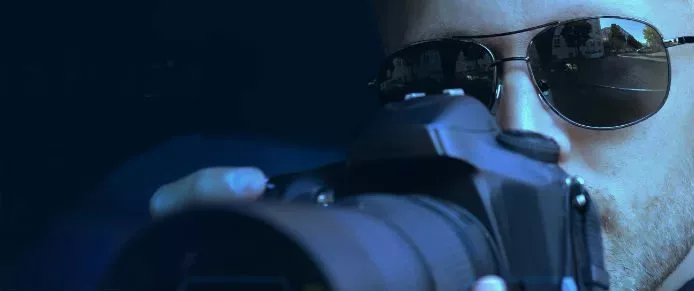
In many cases, detectives work irregular hours, especially when conducting surveillance (e.g., sitting outside a subject’s house during early morning hours hoping to get a photograph or video of their activity).
No products found.
Job Functions
Often, spouses hire professional investigators to obtain proof of adultery or other illegal conduct to establish grounds for a divorce. Collecting evidence of adultery or other bad behavior by cheating spouses and partners is among the most common and profitable services.
Also, PIs provide process serving, which is the delivery of subpoenas and other legal documents to people involved in a legal case. People who work in this capacity are known as process servers. However, they are not required to be an investigator to do so.
Many detective agencies specialize in a particular field of expertise. For example, some agencies only deal with skip tracing related to finding missing persons or tracking down debtors.
Other professionals may specialize in technical surveillance countermeasures. This involves locating and dealing with unwanted electronic surveillance devices, such as electronic bugs, in a corporate boardroom for industrial espionage purposes.
Increasingly, detectives prefer to be known as “professional investigators.” This is partly a response to the sometimes negative image of the P.I. profession and an effort to establish the industry as a fair and respectable trade.
The U.S. Department of Labor, Bureau of Labor Statistics, publishes an article in the Occupational Outlook Handbook for Private Detectives and Investigators. Accordingly, the annual article describes the nature of the work, working conditions, qualifications, employment, training and advancement, earnings, job outlook, and related occupations. This is a great place to begin if you want to become a professional detective.
Services, Training, and Reference Material
Here are some recommendations to help you learn more about the profession:
- First, view a list of potential services provided
- Then, check out this list of training courses for increasing your knowledge and skills
- Next, please review our list of Private Investigation Training books. Buy a few from Amazon to get started.
- View Salary and Wage information
- List of Jobs and Careers
How to Get a Private Investigator License in any State
Following is a state-by-state listing of contact information for obtaining a license and links to verify licensing credentials. Remember, some states don’t require a license specifically for private investigations. However, they may need business credentials, permits, or other legal requirements such as training or professional certifications. In addition, states may require individuals to pass an exam or complete a series of educational courses. So, if you conduct business in more than one state, you should consider getting a license in each state.
Alabama
Alaska
- The state of Alaska does not require a private investigator’s license. Yet, some individual cities in Alaska, such as Fairbanks and Anchorage, may have their licensing requirements. Also, a business license and other requirements may be necessary. First, check the individual city websites for more information on licensing, insurance, and fees.
Arizona
Arkansas
California
Colorado
Connecticut
- Connecticut – The Connecticut Department of Emergency Services and Public Protection handles licensing in the state.
Delaware
- Delaware – The Delaware State Police evaluates and processes all applications.
Florida
Georgia
- Georgia – The Georgia Board of Private Detectives and Security Agencies manages the process for Georgia.
Hawaii
- Hawaii—Licensing is handled by the Department of Commerce and Consumer Affairs, Professional & Vocational Licensing Division, and Board of Private Detectives and Guards.
Idaho
Illinois
Indiana
Iowa
The Iowa Department of Public Safety, Administrative Services Division handles licensing in Iowa. The department’s contact information is as follows:
Bail Enforcement / Private Investigative / Security Licensing Program Services Bureau
Administrative Services Division
Iowa Department of Public Safety
Department of Public Safety Building
215 East 7th Street, 4th Floor
Des Moines, IA 50319-0045
Website
Other special licensing requirements such as education, experience, examinations, and insurance may be required. To get started, visit the state licensing website for more detailed and up-to-date information.
Kansas
- See the Kansas page for more information.
Kentucky
Louisiana
Maine
- The Maine State Police Licensing Division handles private investigator licensing in Maine and licenses professional investigators, investigative assistants, and Professional security companies. Requirements may change, so please visit the website for the most up-to-date instructions related to the licensing application process. In addition, there may be special licensing requirements. For example, education requirements, experience requirements, examinations, and insurance may be required. Check the state licensing website for details about getting a private investigator license in Maine.
Maryland
Massachusetts
Michigan
Minnesota
- Licensing in Minnesota is handled by the Department of Public Safety Private Detective & Protective Agent Services Board. The Board ensures that investigative and security service practitioners meet statutory qualifications and training for licensure and maintain standards outlined in Minnesota Statutes and Administrative Rules. Other special requirements such as education, experience, examinations, and insurance may also be required. Check the state website for more information.
Mississippi
Missouri
Montana
- The Montana Board of Private Security handles licensing in Montana. The Board provides information about the licensing and regulation of professional investigators. In addition, it oversees trainees, process servers, firearm instructors, and other security industry professionals in Montana.
Nebraska
Nevada
New Hampshire
- The New Hampshire Department of Safety – Division of State Police – Division of Permits and Licenses handles licensing in the state. First, visit the website for application forms, a list of requirements for obtaining your credentials, and the laws governing the state’s private investigators. Special licensing requirements such as education, experience, examinations, and insurance may be required.
New Jersey
- State of New Jersey overview and requirements.
New Mexico
- State of New Mexico overview and requirements.
New York
- State of New York
North Carolina
- State of North Carolina
North Dakota
- The North Dakota Private Investigative & Security Board handles private Investigator licensing in North Dakota. The North Dakota Board licenses and regulates the Investigation and Security industries. For example, the board establishes the qualifications and procedures for classifying, qualifying, licensing, bonding, and regulating persons providing professional investigative and security services. Also, the board oversees the regulation of armed security personnel.
Ohio
Oklahoma
Oregon
Pennsylvania
- Pennsylvania – The Pennsylvania Courts of Common Pleas handles private investigator licensing in the state. First, visit the Unified Judicial System of Pennsylvania website for contact information. To apply for a license, contact the court clerk in the county where you want to get a permit. Also, contact the Clerk of Courts for your county to find out how to apply.
Rhode Island
South Carolina
- The state of South Carolina
South Dakota
Tennessee
Texas
Utah
Vermont
The Secretary of State Board of Private Investigative and Security Services oversees private investigator licensing in Vermont. The board ensures applicants are qualified to obtain an investigator license and sets professional standards for the investigative profession.
Virginia
Washington
Washington D.C.
The District of Columbia Security Officers Management Branch (SOMB), Metropolitan Police Department handles private investigator licenses. First, visit the D.C. SOMB website for more specific information on obtaining your official investigator license.
West Virginia
Any person or group performing investigative or security guard functions in West Virginia must be professionally licensed unless one of the exemptions specified by the law applies. If you want to become a professional investigator in West Virginia, licensing goes through the West Virginia Secretary of State. To start, visit the state’s website for more detailed information on requirements and exemptions for each certification type.
Wisconsin
Wyoming
Licensing requirements vary by state and may change as new legislation passes. Always check the state’s licensing website for the most up-to-date information.
Reciprocity Agreements
Some states have reciprocity agreements that allow PIs to do investigative work in both states. California, Florida, Georgia, Louisiana, North Carolina, Oklahoma, Tennessee,
Start Your Business
After getting a private investigator license, consider the next steps. For more information, read our article, How to Get Your Investigation Business Up and Running, for helpful tips. The article covers essential steps such as Business Licensing and insurance considerations. In addition, it provides useful information on purchasing equipment and supplies, creating an online presence, and much more.
Questions or Comments
Please comment below if you have questions about getting a private investigator’s license.

- BeenVerified Public Records Tool for Private Investigators - May 1, 2026
- Insurance Fraud Investigations - April 1, 2026
- The Magnum P.I. Private Investigator Legacy: Defining a Profession - April 1, 2026
I am in need of becoming my own Family’s Private Investigator for both the States of Ohio and TN.
I have requested information from various state PI associations about additional PI requirements for the respective states the associations are tied to. I have yet after several months received any response.
Is this common for associations to outright ignore emails? If it is, it’s a poor showing for an association which is supposed to represent PI’s.
It is unfortunate that they haven’t responded. You may want to just go directly to the state licensing authority to get the information you needed.
thanks for sharing a nice article, this is very helpful to start a private investigator firm.
Im a french police officer investigator and would like to become a private investigator in USA.I need some help to have the licence, and look for people who can help me.Is there an online certification?Thanks for all the given informations here.
Thank you for sharing the things to know how to become a licensed private investigator.
my name is cloteal Johnson I just graduated from Stratford university. and what is my next step to getting my license.
What state are you located in?
I am doing LL.B what the next step to become a private investigator?
I am a recent graduate with Accociates Criminal Justice. What would be my next step towards Private Investigator?
Visit your state’s licensing website to learn the requirements for obtaining a license. The website will provide an explanation of the training and education requirements, experience necessary and the steps in the application process.
Also, check out the Private Investigator Association website for your state. They are an excellent resource for existing and aspiring P.I.’s.
Do you have a system for reporting unprofessional and unethical activity by a private investigator?
Unfortunately, we do not have such a system. The best course of action is to report the unprofessional/unethical to the licensing bureau in the state where the investigator is licensed.
I’m a graduate in law and social sciences in the U.K. and I’m hoping to live and work in California – so faar I’ve not found details of courses for private investigators.
Take a look at the training resources on https://www.einvestigator.com/private-investigator-training-2/
There’s an online college that you can attend. Am enrolling at Ashworth college online. Its 899.00 for the whole course and you can graduate in 6 months. They also give you options to make monthly payments
Do they help you find a job after graduation?
“Are you unsure about a loved one? Are you concerned he is using you? Are you pregnant with his baby, but worried he is cheating? Did you buy a house together, but he is acting suspicious and isn’t around enough to enjoy it? Do you suspect little Johnny is stealing from Grandma?
In an exciting new series, our female private investigators will help you find the truth/have the last word for FREE. We are currently casting for an exciting new series that helps victims of cons find closure. Our private detectives will help track down those who have wronged you, and get you the last word. We want to hear your story! E-mail us the details of the story and your phone number to [email protected].”
I graduated from a PI home study course(legitimate).
Can I carry the ID/Badge in my wallet with my license?
It is generally considered acceptable to carry such an ID/Badge in your wallet as a means of proving that you have completed professional training in private investigations. However, it should be carried along with a state-issued license. Check with your state licensing agency for specific guidelines regarding IDs and badges.
I am a Private Invesigator in Florida. I’m thinking of moving to N.C. What do I need to do to obtain a N.C. License? I have had my own Agency for 15 plus years.
Hello,
I am a junior college student and aspiring to become a private investigator. I would like to know what would be my next step after graduating with a bachelor in Justice Administration?
The first step would be to understand the requirements for becoming a licensed private investigator in your state. Refer to the list above for more information. Then, begin working toward completing the requirements, which may include various applications, required training courses, and professional exams. In most states, you will likely need to work for a licensed private investigation agency for a period of time. Contact private investigation agencies in your area and inquire about open positions, internships, etc.